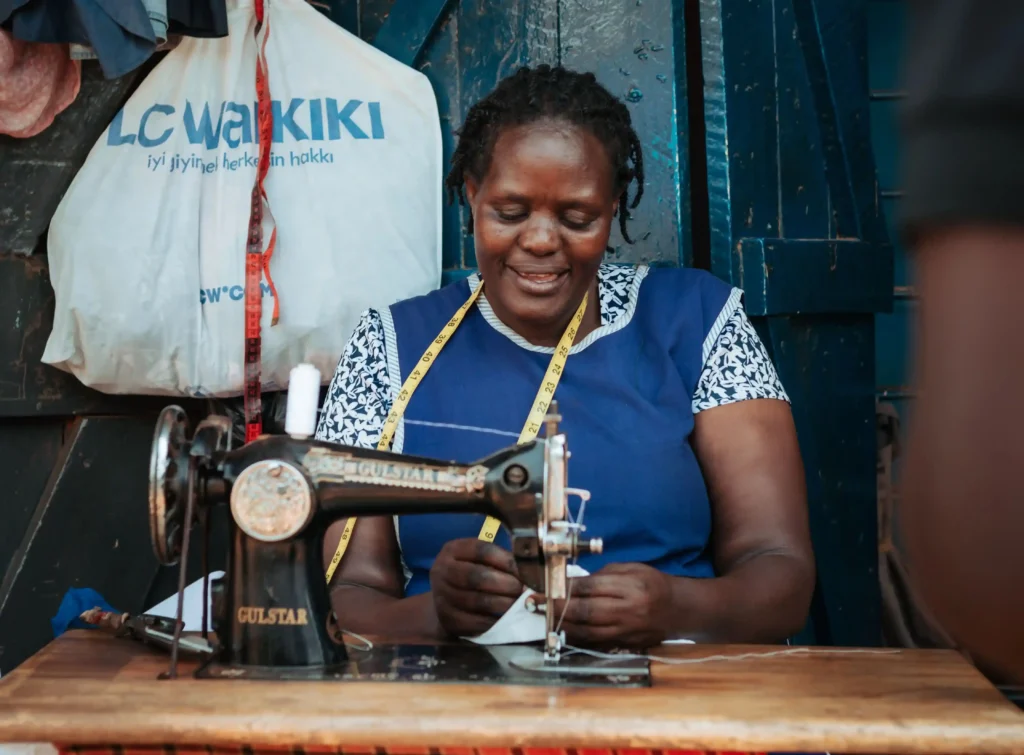
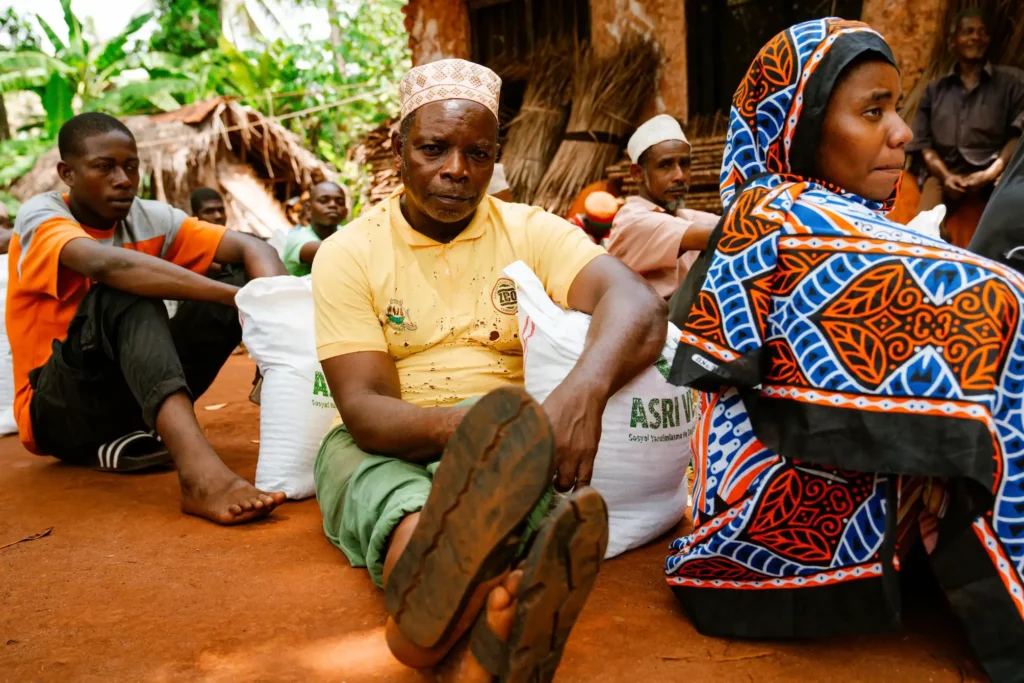
For years, anti-trafficking strategies were designed in boardrooms without the participation of the individuals who lived through the realities of exploitation. Today, survivor networks are reshaping national advocacy by proving that effective policy requires insights drawn directly from lived experience.
The Limits of Top-Down Anti-Trafficking Responses
Kenya’s Counter-Trafficking in Persons Act of 2010 established strong criminal penalties for trafficking offenses. Yet current anti-trafficking reporting highlights persistent gaps: many police officers lack clear understanding of anti-trafficking laws and may misclassify trafficking cases as other crimes, while victim protection services remain under-resourced compared to law enforcement efforts.
Top-down approaches that focus primarily on prosecution and border control often overlook the structural drivers of trafficking: poverty, unemployment, irregular migration pathways, and weak labour inspection systems. Without input from those who have navigated these systems, policies risk being technically sound but practically ineffective.
Why Survivor Leadership Changes the Game
Survivor-led organizations like Survivors Network Kenya (SNK) bring ground-truth insights that reshape policy priorities and implementation strategies. Survivors understand:
- How recruitment deception works in practice: The scripts, intermediaries, and social pressures that make trafficking invisible until it is too late.
- Where protection systems fail: Gaps in shelter access, legal aid, medical care, and reintegration support that leave victims re-victimized by the very systems meant to protect them.
- What reintegration actually requires: The economic, psychosocial, and community-level interventions that determine whether survivors rebuild or relapse into vulnerability.
When survivors lead advocacy, policy shifts from abstract commitments to concrete, actionable reforms grounded in reality.
Kenya’s Policy Landscape: Progress and Gaps
Kenya has made measurable progress in anti-trafficking efforts. The country has recorded landmark convictions, while the National Employment Authority (NEA) has strengthened oversight of private recruitment agencies through online verification portals and reporting mechanisms.
However, significant challenges remain:
- Inconsistent implementation: County governments vary widely in their understanding of trafficking dynamics and victim protection obligations.
- Weak labour inspection: Limited capacity to monitor workplaces, especially in informal sectors and overseas recruitment pipelines, enables exploitation to go undetected.
- Underfunded reintegration: Victim support services, including shelter, counseling, and livelihood programs, receive far less attention and funding than law enforcement.
- Limited survivor participation: Policy consultations often exclude survivor voices, resulting in frameworks that fail to address root causes and practical barriers.
Proposed amendments to the Counter Trafficking in Persons Act seek to address some of these gaps, but their effectiveness will depend on whether survivor perspectives shape implementation.
How Survivors Are Influencing National and County Policy
Survivor networks are engaging policy makers at multiple levels to ensure lived experience informs legislation, budgeting, and service delivery.
National-Level Advocacy
At the national level, survivor organizations participate in inter-ministerial task forces, parliamentary committee hearings, and multi-stakeholder forums on trafficking and labour migration. They advocate for:
- Stronger victim protection provisions: Including guaranteed shelter access, legal representation, and trauma-informed medical care.
- Labour migration reforms: Such as mandatory pre-departure orientation, post-arrival monitoring, and bilateral agreements that protect Kenyan workers abroad.
- Budget allocations: Directing resources toward reintegration programs, survivor livelihoods, and community-based prevention rather than solely enforcement.
County Government Engagement
County governments play critical roles in trafficking prevention and response, yet many lack technical capacity and political will. Survivor networks are working with county assemblies and executives to:
- Integrate trafficking prevention into county development plans: Ensuring anti-trafficking priorities are reflected in budgeting and service delivery.
- Train local administrators and police: Building understanding of trafficking indicators, victim-centered response, and referral pathways.
- Establish county-level survivor support funds: Creating dedicated resources for emergency shelter, legal aid, and livelihood grants.
Alliance 8.7 and International Frameworks
Kenya is a member of Alliance 8.7, the global partnership committed to achieving Sustainable Development Goal Target 8.7 on ending child labour, forced labour, and human trafficking. Survivor organizations contribute by:
- Providing ground-level data: Documenting trafficking trends, recruitment tactics, and survivor needs that inform national action plans.
- Holding government accountable: Monitoring progress on commitments and advocating for accelerated implementation.
- Building regional solidarity: Connecting with survivor networks across East Africa to share strategies and amplify collective voices.
Practical Ways County Governments Can Consult Survivor Organizations
Meaningful survivor participation requires more than token invitations to workshops. County governments can institutionalize survivor input through:
- Formal advisory roles: Appointing survivor representatives to county anti-trafficking committees and labour migration task forces.
- Participatory budgeting processes: Including survivor organizations in county budget forums to advocate for reintegration and prevention funding.
- Joint monitoring visits: Accompanying county officials on inspections of recruitment agencies, labour camps, and high-risk workplaces.
- Co-designing public awareness campaigns: Ensuring messaging reflects survivor realities and avoids sensationalism or victim-blaming.
When survivor organizations are treated as equal partners rather than beneficiaries, policy becomes more responsive, credible, and effective.
A Call to Policy Makers and Development Partners
To Kenya’s policy makers: Institutionalize survivor participation in all anti-trafficking policy processes. Create formal mechanisms for survivor input at national and county levels, and allocate dedicated resources for survivor-led advocacy and service delivery.
To development partners: Fund survivor organizations directly, not just as sub-grantees of larger NGOs. Support long-term capacity building, leadership development, and policy engagement rather than short-term project cycles.
To civil society and academia: Partner with survivor networks to generate evidence, document best practices, and amplify survivor voices in research and advocacy.
From Consultation to Co-Leadership
The future of anti-trafficking policy in Kenya depends on moving beyond consultation to genuine co-leadership. When survivors sit at the table as equal partners—designing legislation, shaping budgets, and monitoring implementation—policy becomes more than words on paper. It becomes a living framework that reflects the realities of those it seeks to protect.
Survivor Network Kenya and allied organizations are proving that lived experience is not just valuable input; it is essential intelligence for ending trafficking. The question is no longer whether survivors should lead, but how quickly systems can adapt to follow their guidance.
Want to engage survivor leaders in policy work?
Visit Survivors Network Kenya to connect with survivor advocates, request technical input on anti-trafficking initiatives, or support survivor-led policy engagement.