Escaping trafficking is only the first hurdle; rebuilding a life in the face of debt, social isolation, and trauma presents an equally grueling test. Without practical avenues to earn a living, survivors face ongoing vulnerability, making economic self-reliance the true foundation of durable freedom.
The Challenges Survivors Face After Rescue
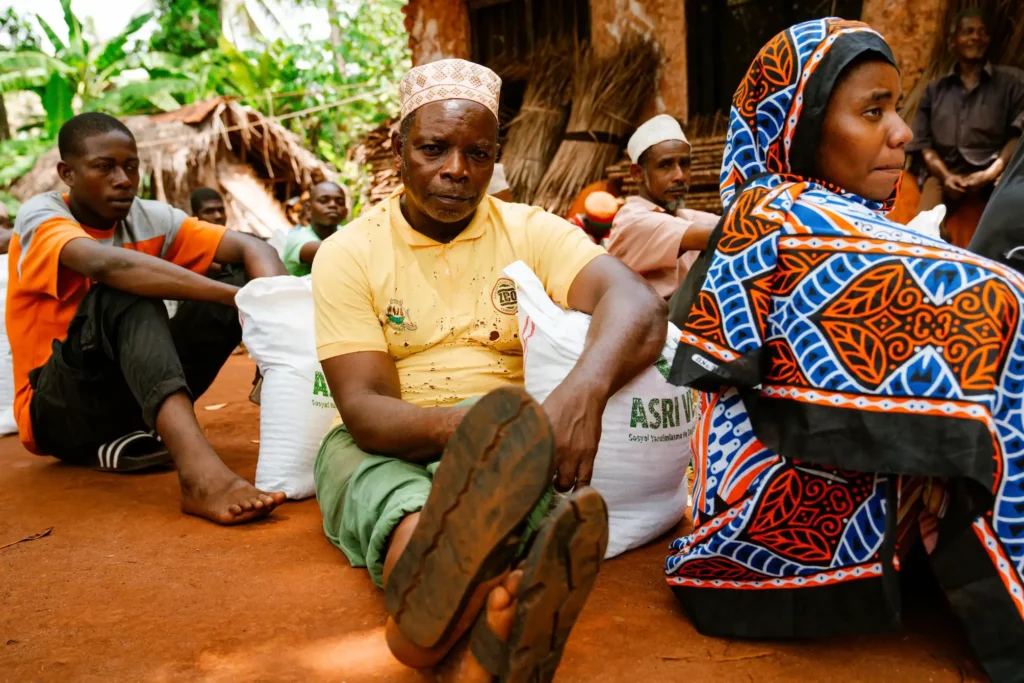
When survivors exit exploitative situations, they often return to communities where stigma, poverty, and limited opportunities converge. Many carry debt from recruitment fees, medical bills, or loans taken by families who believed they were investing in legitimate employment. Others face rejection from relatives who blame them for the shame associated with trafficking, particularly in cases involving sexual exploitation.
While Kenya has strengthened prosecution and legal frameworks, victim protection and reintegration services remain under-resourced compared to law enforcement efforts. Without comprehensive support addressing economic, psychological, and social needs, survivors remain at high risk of re-trafficking.
Why Economic Agency Matters
Sustainable healing requires more than shelter and counseling; it demands the ability to provide for oneself and one’s family. Economic independence restores dignity, reduces dependency on aid, and rebuilds self-worth shattered by exploitation. When survivors can earn a living through ethical employment or entrepreneurship, they gain:
- Financial autonomy: The ability to make decisions about money, housing, and family needs without relying on others.
- Social reintegration: Economic contribution shifts community perceptions from victimhood to valued membership.
- Psychological recovery: Meaningful work provides structure, purpose, and a sense of accomplishment.
- Long-term resilience: Skills and assets create buffers against future exploitation and economic shocks.
Survivor-led organizations like Survivors Network Kenya emphasize that anti-trafficking frameworks succeed only when informed directly by the insights and leadership of those with lived experience. Economic empowerment sits at the heart of this survivor-centered approach.
Practical Livelihood Interventions That Work
Effective reintegration programs combine skills training, mentorship, and access to capital with trauma-informed support. Key interventions include:
Vocational Apprenticeships
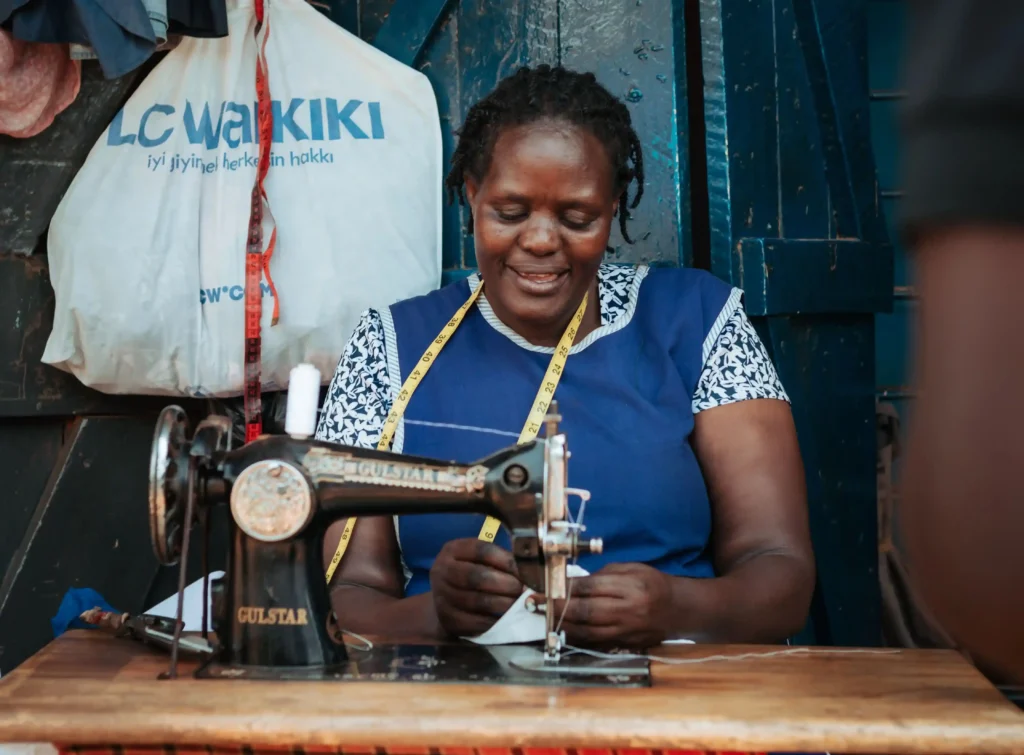
Partnering survivors with established artisans and businesses allows them to learn trades such as tailoring, hairdressing, carpentry, or catering while earning stipends. Apprenticeships provide structured learning environments where survivors can rebuild confidence gradually while acquiring marketable skills.
Entrepreneurship Grants and Microfinance
Small grants or low-interest loans enable survivors to start micro-enterprises such as kiosks, poultry farming, or mobile food vending. When paired with business mentorship and financial literacy training, these interventions create pathways to sustainable self-employment.
Ethical Employment Pathways
Local businesses can create trauma-informed employment opportunities by offering flexible schedules, supportive supervision, and clear pathways for advancement. Employers who understand the unique challenges survivors face can become powerful allies in reintegration.
Peer Support Groups
Survivor networks provide emotional support, shared learning, and collective advocacy. Peer groups reduce isolation, normalize healing journeys, and create platforms for survivors to mentor one another through economic transitions.
The Role of Psychosocial Support
Economic interventions must be paired with mental health services addressing trauma, depression, and anxiety. Counseling helps survivors process experiences, rebuild self-esteem, and develop coping strategies for workplace stress. Without psychosocial support, economic programs risk overwhelming survivors who are still healing from severe exploitation.
Integrated programs that combine livelihood training with counseling, legal aid, and community sensitization produce the best long-term outcomes.
How Local Businesses Can Help
Private sector engagement is critical to scaling survivor reintegration. Businesses can contribute by:
- Hiring survivors: Offering entry-level positions with supportive supervision and fair wages.
- Providing apprenticeships: Training survivors in skilled trades with pathways to certification.
- Donating resources: Contributing equipment, materials, or space for survivor-led enterprises.
- Advocating for ethical recruitment: Ensuring supply chains and recruitment practices do not enable trafficking.
Corporate partnerships signal to communities that survivors are valued contributors to Kenya’s economy, not burdens to be pitied.
Community Acceptance and Stigma Reduction
Economic reintegration cannot succeed in isolation from broader social change. Communities must be educated about trafficking dynamics, survivor rights, and the importance of welcoming returning individuals. Religious leaders, elders, and local administrators play crucial roles in shifting narratives from blame to support.
When communities understand that trafficking results from systemic vulnerabilities rather than individual failings, they become more willing to support survivor reintegration efforts.
A Call to Action for Partners and Donors
Sustainable reintegration requires long-term investment, not short-term relief. Humanitarian partners, corporate allies, and development funders can advance survivor freedom by:
- Funding multi-year livelihood programs: Supporting integrated economic and psychosocial interventions over 2–3 year cycles.
- Backing survivor-led organizations: Resourcing networks like Survivors Network Kenya to design and implement programs based on lived experience.
- Creating ethical employment pipelines: Partnering with businesses to hire survivors and provide career advancement opportunities.
- Advocating for policy reform: Supporting amendments to the Counter-Trafficking in Persons Act that strengthen victim protection and reintegration services.
Moving Beyond Rescue to Real Freedom
Rescue operations capture headlines, but the quiet, sustained work of reintegration determines whether survivors truly escape trafficking’s grip. Economic independence transforms survival into thriving, turning victims into leaders, advocates, and entrepreneurs who reshape their communities.
As Kenya continues to strengthen its anti-trafficking response, prioritizing survivor economic agency ensures that freedom is not just a moment of escape, but a lasting reality.
Want to support survivor reintegration?
Visit Survivors Network Kenya to learn about livelihood programs, partner with us, or contribute to survivor-led economic empowerment initiatives.